Left Alone by Fiona Apple Lyrics Meaning – Unraveling the Tapestry of Love and Isolation
Lyrics
When you were a chauven’d over-toned mutt
And I was still a dewy petal
Rather than a moribund slut
My love wrecked you
You’re back to twirl your skirt at the palace
It hurt more than it ought to hurt
I went to work to cultivate a callous
And now I’m hot, too hot and oh
I don’t cry when I’m sad anymore, no no
Tears calcify in my tummy
Fears go inside the bottle
How can I ask anyone to love me
When all I do is beg to be left alone
Oh and I tried to love
And I can love the same man and the same bed and the same city
But not in the same room it’s a pity but oh
It never bothered me before
Not ’til this guy
What a guy
Oh, God, what a good guy
And I can’t even enjoy him
‘Cause I’m hard, too hard to know
I don’t cry when I’m sad anymore, no no
Tears calcify in my tummy
Fears go inside the bottle
How can I ask anyone to love me
When all I do is beg to be left
When all I do is beg to be left
When all I do is beg to be left
Alone
Alone
Alone
My ills are articulate
My woes are granular
The ants weigh more than the elephants
Nothing, nothing is manageable
So couldn’t we skip the valedictories
I can see your door there
Shut it and forget my number
‘Cause I’m hard, too hard to know
Oh I don’t cry when I’m sad anymore, no no
Tears calcify in my tummy
Fears go inside the bottle
How can I ask anyone to love me
When all I do is beg to be left
When all I do is beg to be left
When all I do is beg to be left alone
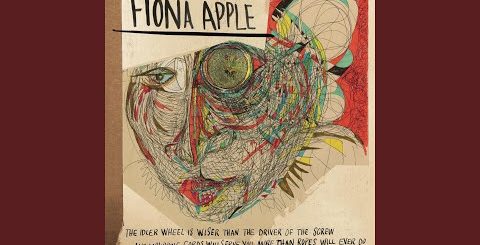
Fiona Apple has always been known for her hauntingly penetrating lyrics and complex compositions that defy the conventional boundaries of singer-songwriter narratives. ‘Left Alone’ stands as a testament to her formidable prowess in marrying poetic lyricism with the ebb and flow of raw emotion. On the surface, this track from her 2012 album ‘The Idler Wheel…’ appears to be an anthem of self-imposed exile from love, but as we dive into its layers, we uncover truths about the human experience that resonate more deeply.
Apple’s ‘Left Alone’ is not just a mere song; it’s an aural memoir that challenges listeners to grapple with the intricate dance between the need for love and the fear of vulnerability. It echoes the paradox of human desire – the simultaneous yearning for connection and the defensive impulse to remain unassailable in one’s solitude.
The Metamorphosis of an Overture
The opening lines of ‘Left Alone’ evoke a vivid image of a past courtship – a dance of attraction where once there was innocence (‘a dewy petal’) and now remains a jaded spirit (‘a moribund slut’). Apple captures the transformation of self through the trials of love and subsequent heartache. This metamorphosis speaks to an evolution of character and a loss of naivety, suggesting a sensual reckoning and a certain fondness for the tarnish that experience brings.
This poignant beginning sets the tone for a journey through the psychic remnants of a love that has decayed, leaving behind a necessary hardness, encapsulated in the line, ‘I went to work to cultivate a callous.’ Apple uses visceral language to symbolize the emotional armor we fashion to protect our most vulnerable selves from the pain of being left.
An Anthem for the Emotionally Self-Sufficient
Repeated throughout the chorus, ‘I don’t cry when I’m sad anymore’ becomes an anthem for those who have grown formidable in their solitude. Apple’s refrain is both a declaration of strength and an admission of the cost of enduring emotional strife. The calcification of tears in her tummy is a powerful metaphor for repressed sorrow and the transformation of pure feeling into something indigestible and unwieldy.
The bottled fears speak to a larger theme of containment within ‘Left Alone’. In contrast to the commonly sought-after liberation of feelings, Apple acknowledges a different survival strategy – one where emotions are compartmentalized, controlled, and kept at bay. It’s a mechanism that resonates with anyone who’s had to swallow their pain in the name of self-preservation.
The Puzzling Plea for Isolation
The song’s core plea, ‘How can I ask anyone to love me / When all I do is beg to be left alone,’ swirls with complexities. It wrestles with an internal contradiction that afflicts many – the craving for intimacy against the instinct to isolate. Apple lays bare the struggle of expressing affection and the self-sabotage that arises from an impulse to withdraw into aloneness, leaving us to grapple with the inherent conflict within human relationships.
This paradox is the crucible in which ‘Left Alone’ burns brightest, presenting a confession that intimacy is not just about proximity and physical closeness, but the unbridgeable distance that sometimes exists between hearts, even when they yearn to connect.
Unveiling the Song’s Hidden Treasures
Amongst ‘Left Alone’s’ most striking revelations is the line, ‘The ants weigh more than the elephants.’ It suggests a magnification of the minute, the insignificant worries that can overwhelm the psyche more than life’s monolithic challenges. Fiona Apple is renowned for unearthing such profound insights within her lyrics, and in this track, she delivers a psychological truth that speaks to the sometimes disproportionate impact of our private agonies.
This attention to the smallest units of emotional distress—a granular view of despair—speaks to the importance of acknowledging every part of one’s psyche, no matter how seemingly trivial. Apple conveys the sense that all aspects of our sorrow deserve recognition in the quest for self-understanding and healing.
Intricate Webs of Memorable Lines
Fiona Apple’s craftsmanship as a lyricist comes to the forefront through the mosaic of memorable lines woven throughout ‘Left Alone.’ Each verse resonates with the listener, creating echoes of personal meaning. From the self-protective rejoinder of ‘Shut it and forget my number’ to the tender, almost defeatist invocation of isolation in ‘When all I do is beg to be left alone,’ Apple has scribed a piece that is as unforgettable as it is unparalleled in its emotional honesty.
These ear-catching lyrics not only serve as the skeletal frame of the song’s thematic essence but also as touchstones for those who find solace in the companionship of Apple’s musical narrations. They teach, they reflect, and ultimately, they allow us to feel seen in the complex spectrum of our human emotions.