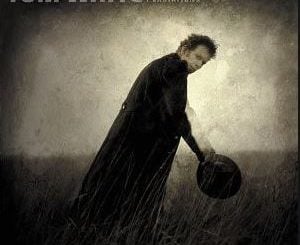
Midnight Lullaby by Tom Waits Lyrics Meaning – Unraveling the Dreamy Tapestry of Nostalgia
Lyrics
Hush-a bye my baby, no need to be crying.
You can burn the midnight oil with me
as long as you will
Stare out at the moon
upon the windowsill, and dream.
Sing a song of sixpence, pocket full of rye
Hush-a bye my baby, no need to be crying.
There’s dew drops on the window sill,
gumdrops in your head
Slipping into dream land,
you’re nodding your head, so dream.
Dream of West Virginia, or of the British Isles
‘Cause when you are dreaming,
you see for miles and miles.
When you are much older, remember when we sat
At midnight on the windowsill,
and had this little chat
And dream, come on and dream,
come on and dream, and dream, and dream.
Tom Waits, with his gravelly voice and unparalleled storytelling abilities, often spins songs that seem to cradle the listener in a blanket woven from threads of raw human experience. ‘Midnight Lullaby’ is one such serenade that has nestled its way into the hearts of listeners, embodying both the tenderness of a lullaby and the shadows of midnight ruminations.
Beyond its soothing melody, the song carries a weight that pulls at the corners of one’s consciousness, urging an exploration of its deeper narrative. Is it merely a lullaby, or the subtle lament of passing time? The deceptively simple lyrics invite a delve into themes of nostalgia, hope, and the bittersweet nature of memory.
The Echoes of Childhood in a Grown-up World
The opening verse of ‘Midnight Lullaby’ wields the classic nursery rhyme ‘Sing a song of sixpence’—a choice that forges an immediate connection to childhood. This recasting of an innocent rhyme within a setting designed for adults—the midnight hour—blurs the line between the carefree days of youth and the contemplative nights of adulthood.
Waits’s use of this motif suggests a yearning to return to simpler times, even while navigating the complex landscape of mature emotions. The rye in one’s pocket could symbolize sustenance or pleasures that once seemed so easily attainable. The tranquility he commands in his ‘hush-a-bye,’ however, reveals a universal longing for comfort and a quiet mind, irrespective of age.
Dreamscapes Boundless as the Night Sky
As Waits encourages the listener to slip into dreamland, he paints a world of endless possibilities. By juxtaposing West Virginia with the British Isles, he touches upon the grand diversity of human experience. Dreams become the equalizer—the one realm where the listener, irrespective of their reality, can stride without limits.
In invoking a panoramic dream vision, Waits inspires a sense of hope and adventure. His lyrics suggest that within dreams, one can find escape and solace from the tribulations faced when awake. Through this narrative, ‘Midnight Lullaby’ elevates itself from a mere song to a vessel of boundless exploration.
The Hidden Meaning: A Canvas for Reflective Introspection
While the surface whispers a comforting bedtime ritual, ‘Midnight Lullaby’ is a contemplative mosaic that ventures beyond its lulling surface. Waits’s lyrical craftsmanship prompts self-reflection, stirring feelings of what has been, what is, and what might have been.
By framing introspection as a midnight conversation on the windowsill, Waits turns a common, unremarkable space into a sanctuary of thought. It becomes a place to confront one’s aspirations, fears, and the passage of time—not with trepidation, but with the lucid embrace that comes in the quiet hours of night.
The Windowsill as a Portal to Memory Lane
The recurring image of the windowsill in the song takes on a role beyond its physical presence; it becomes a metaphorical juncture between the internal and the external, the real and the ethereal. The windowsill is where the cool, tangible touch of the night meets the warmth and comfort of a home, enveloping memories in a gentle dance of poignancy.
It is at this border that Waits’s voice guides the transition to memory’s realm, emphasizing the power of place and moment in the framing of recollection. His invitation to remember a conversation held at midnight shows a shared, yet deeply personal, historical bookmark between the song and the listener.
The Lingering Question in those Memorable Lines
The lyrics ‘You can burn the midnight oil with me / as long as you will’ are both an invitation and an acknowledgment of the nature of time. They resonate with those who have known the deep comfort of companionship during the small hours and the cold recognition that such connections are as impermanent as the flickering light of a candle.
Waits masterfully articulates these experiences by intertwining affection with the vagaries of time, leaving an open-ended question as to how long one can afford to remain in this shared midnight space. The phrase serves as a testament to the temporal nature of human bonds, and the solemn beauty inherent in their fragility.