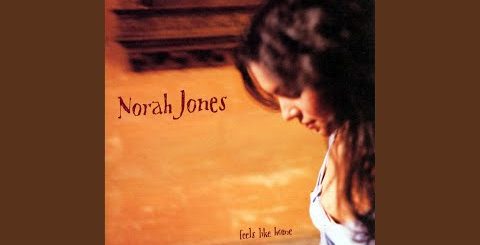
Not My Friend by Norah Jones Lyrics Meaning – Unraveling the Emotional Complexity in Melodies
Lyrics
Help me believe
You seem really glad that I am sad
You are not my friend
I cannot pretend that you are
You made it sting
Your voice is ringing
Just like the boys who laughed at me in school
You are not my friend
I cannot pretend anymore
You found a place
No one should ever go
I’ll be okay
‘Cause when I back away
I’m gonna keep the handle of your gun in sight
In the soulful labyrinth of Norah Jones’s discography, ‘Not My Friend’ emerges as a poignant ballad that stands as a monument of emotional complexity. Characterized by its haunting melody and introspective lyrics, the song is a testament to Jones’s artistry in weaving narratives that resonate deeply with the human experience.
Digging beneath the surface, ‘Not My Friend’ offers a raw exploration of betrayal, self-awareness, and the inner strength required to rise from the depths of disheartenment. Jones’s velvet voice serves as the guide through her deeply personal journey, inviting listeners to contemplate the vast spectrum of feelings cloaked within the verses.
The Bitter Pill of Betrayal – A Journey Through Pain
The introductory lines, ‘Help me breathe, help me believe,’ sets the foreboding tone of a soul searching for solace. Norah Jones’s request for assistance not only highlights her vulnerability but also suggests a deep-seated hurt caused by deceit. The revelation, ‘You seem really glad that I am sad,’ unveils a betrayal that cuts to the bone, shedding light on the emotional turmoil one endures when faced with the disloyalty of someone once held close.
Jones masterfully captures the essence of pain caused by betrayal, a universal aspect of the human condition. The raw honesty in her delivery provides a cathartic outlet, weaving a connection with anyone who’s felt the sting of being let down by someone they trusted.
Unveiling the Facade – The Refusal to Pretend
The declaration, ‘You are not my friend, I cannot pretend that you are,’ marks a moment of self-realization and empowerment. Norah Jones not only acknowledges the true nature of the relationship but also refuses to uphold the facade. This assertive rejection of falsehood lends a powerful weight to the lyrics, advocating for the value of authenticity over pretense.
In a world where social appearances often overshadow genuine connections, Jones’s staunch stance on not pretending serves as a call to honor one’s truth. The candid announcement of cutting ties with a deceptive friend echoes the importance of choosing one’s emotional well-being over societal pressure to maintain a charade.
Echoes of the Past – Confronting Old Ghosts
The lyric ‘Your voice is ringing, just like the boys who laughed at me in school’ draws a parallel between present hurt and past traumas. Jones connects the disdain in the voice of the betrayer with the mockery she faced in her youth, suggesting that the wounds of our past have a way of resurfacing, often through new experiences.
This connection invites a deeper reflection on how our personal histories shape our responses to current events. Jones’s acknowledgment of her past pain acts as a bridge between who she was and who she has become, using her music as a canvas to paint the complexities of pain and resilience.
The Hidden Meaning – Escaping the Emotional Snare
‘You found a place, No one should ever go’ hints at a deeper narrative where the antagonist encroaches upon a sacred emotional space, violating trust. Norah Jones’s words paint the grim reality of someone infiltrating the innermost sanctuary of one’s heart, a space deemed off-limits to those with malintent.
The lyrics reveal the hidden meaning layered within the song – the invasion of psychological boundaries and the subsequent reclaiming of personal power. ‘Not My Friend’ encompasses a warning to protect oneself from those who seek to undermine, as well as a declaration of independence from the clutches of harmful influence.
Memorable Lines – The Grip on the Handle
Arguably one of the most striking images in ‘Not My Friend’ comes with the final line: ‘I’m gonna keep the handle of your gun in sight.’ This metaphor extends beyond the realms of mere caution, venturing into a strategic mindset where the protagonist stays aware, not allowing herself to be caught off-guard again.
The decision to ‘keep the handle… in sight’ elucidates a poignant sense of awareness and control over the situation, despite past vulnerability. It’s a line that resonates with listeners for its embodiment of vigilant strength, a reminder that, while hurt is an inevitable part of life, the power to prevent its recurrence lies within.