One Bourbon, One Scotch, One Beer by John Lee Hooker Lyrics Meaning – Unraveling the Blues Anthem’s Deep-Seated Resonance
Lyrics
One bourbon, one scotch, and one beer
Hey mister bartender come here
I want another drink and I want it now
My baby she gone, she been gone two night
I ain’t seen my baby since night before last
One bourbon, one scotch, and one beer
(Spoken)
And then I sit there, gettin’ high, mellow
Knocked out, feeling good and by the time
I looked on the wall at the old clock on the wall
By that time, it was ten thirty daddy
I looked down the bar, at the bartender
He said, “Now what do you want Johnny?”
One bourbon, one scotch, and one beer
Well my baby she gone, she been gone two night
I ain’t seen my baby since night before last
I wanna get drunk till I’m off of my mind
One bourbon, one scotch, and one beer
(Spoken)
And I sat there, gettin’ high, stoned
Knocked out, and by the time
I looked on the wall, at the old clock again
And by that time, it was a quarter to two
Last call for alcohol, I said
Hey mister bartender, what do you want?”
One bourbon, one scotch, and one beer
One bourbon, one scotch, and one beer
One bourbon, one scotch, and one beer
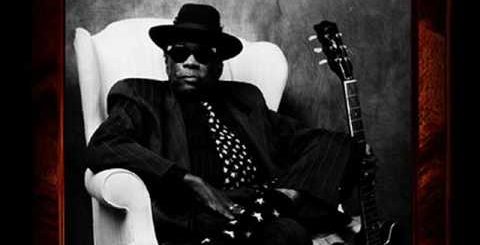
John Lee Hooker’s gravely untamed voice has been an echoing plea of the human spirit through the realms of blues for generations. His classic anthem ‘One Bourbon, One Scotch, One Beer’ goes beyond a catchy chorus and dives deep into the heartaches and escapism of everyday life. The relentless repetition of Hooker’s request at the bar paints a vivid picture of a man drowning his sorrows in the embrace of intoxication.
Yet, to dismiss this song as a mere glorification of a boozy bender would be to overlook the blues’s inherent ability to reflect the sorrows, strife, and substance of its storyteller. As we sift through the layers of Hooker’s masterful narrative, we encounter a deeper narrative about loss, loneliness, and the universal search for solace.
The Timeless Cry of The Blues
Central to understanding ‘One Bourbon, One Scotch, One Beer’ is recognizing it as a vessel of blues tradition. The blues has always been more than just music—it’s an expression of the depths of human experience. With simple but powerful lyrics, Hooker’s song embodies the struggle of dealing with loss and the methods one adopts to cope. The pain of his baby leaving is palpable, and listeners can’t help but feel Hooker’s desolation with every repeated line.
The song’s enduring appeal comes from its authenticity. Hooker doesn’t dress up his emotions or situation. Instead, he lays it bare—an unfiltered, raw render of his life’s moment rendered in a universal language. Listeners across ages and cultures find a piece of themselves in the echo of his longing.
Drowning the Sorrows in Liquid Courage
It’s not by chance that ‘One Bourbon, One Scotch, One Beer’ is about more than just the drinks—it’s about what they represent. The alcoholic triad serves as a metaphor for the steps one takes to numb the pain. As Hooker makes his request known to the bartender, it becomes symbolic of the different phases of intoxication—each drink a choice, a step deeper into oblivion, away from reality.
The repetition of the chorus highlights the cyclical nature of coping mechanisms. The ritual of Hooker’s demands suggests a habitual escapism and raises questions about the reliance on temporary fixes to address deep-seated issues.
The Hidden Meaning Behind the Clock’s Hands
An oft-overlooked element of the song is the significant role time plays within it. Hooker checks the old clock on the wall multiple times, marking the passage of time and the deepening of his inebriation. As the hours slip away, along with his sobriety, we’re given insight into the transient comfort that his chosen elixirs provide.
The advancing hands of the clock symbolize the inevitable return to reality that comes with ‘last call.’ It’s a stark reminder that no matter how much one tries to escape, time marches on, and with it comes the moment when one must confront the music of their own life once again.
A Cry Against Loneliness
The heart of ‘One Bourbon, One Scotch, One Beer’ isn’t just found in the bottom of a glass; it’s in the silent scream against loneliness. The absence of his ‘baby’ isn’t just about missing a loved one—it’s about the isolation that envelops him. Each drink becomes a temporary companion in the void of companionship.
This anthemic blues number serves as a rallying cry for anyone who’s ever felt abandoned, bringing the shadowy emotion of loneliness into a communal light. The very act of singing along to Hooker’s lament is an act of solidarity, an acknowledgment that nobody is truly alone in their sorrow.
Memorable Lines that Transcend Generations
John Lee Hooker’s narrative style within this song is seamless, blending spoken word with melodic intonations that ensnare the listener. Certain lines stand tall, relics of a simpler, more direct style of songwriting that cuts to the core. ‘One bourbon, one scotch, one beer’—the line is a microcosm of the song itself: easy to remember, hard to shake.
This track continues to be hailed as a definitive blues number, not only for its infectious rhythm but for its slice-of-life lyrics that are easy to internalize and hard to forget. Through the years, these words have remained etched in the collective consciousness, a testament to the power of storytelling wrapped in the blues.