SONG MEANINGS (AND FACTS) Since 2017, The Song Meanings and Facts Team have told the stories behind the songs you love. Stay with us on our endless journey to the heart of music understanding and knowledge.
Released into a world suffocating under the weight of economic crises and societal pressures, Jessie J and B.o.B’s ‘Price Tag’ emerged as not just a chart-topping hit, but as a clarion call for reevaluation of our values. Outstretching a melody above a sea of materialistic fancies, ‘Price Tag’ revives the ages-old debate of money versus happiness, encapsulated perfectly within the bubblegum pop genre.
Behind flashy beats and rapid-fire flows, lies a multifaceted narrative of resilience, hedonism, and the ever-persistent drive for success. In Lil Baby’s ‘Life Goes On,’ we’re presented with a raw and revealing portrait of the rapper’s world—the thrills of his lifestyle, juxtaposed with his personal struggles and the cutthroat nature of the streets and the music industry.
In a stratosphere where genres mesh and cultural dialogues blend more freely than ever, ‘Old Town Road’ stands as a poster child for contemporary music’s genre-defying potential. With its catchy hooks and distinctive fusion of country motifs and trap beats, Lil Nas X’s breakout anthem ‘Old Town Road’ has galloped beyond mere virality to become a cultural phenomenon.
Kendrick Lamar, in his thought-provoking track ‘How Much a Dollar Cost’, takes listeners on a profound journey questioning not just the value of a dollar but the price of human dignity and morality. This narrative brilliance, deeply etched with spiritual overtones, guides us through a story of a chance encounter with a beggar that unfolds into a devastating critique of wealth, selfishness, and redemption.
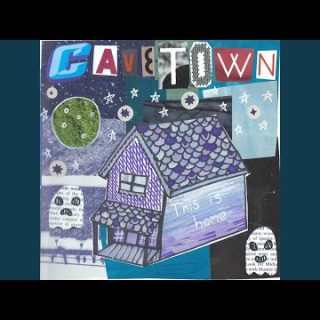
Cavetown’s ‘This Is Home’ is more than a melodic indie hit; it’s a raw articulation of the struggle with identity, belonging, and existential dread. On the surface, Robin Skinner, the mastermind behind Cavetown, weaves an intimate narrative with his gentle voice and ukulele-strummed chords. However, a deeper look reveals layers of complex emotional landscapes.
When the electric strum of The Edge’s guitar first pierces the air, followed by Bono’s impassioned vocals, it’s impossible not to feel the stirring call to action of U2’s ‘Pride (In the Name of Love).’ Released in 1984, this song is more than just an anthem; it’s a multi-layered narrative that weaves the tumultuous tapestry of love’s sacrifices throughout human history. ‘Pride (In the Name of Love)’ is U2 storytelling at its finest – captivating, evocative, and profoundly stirring.
In an era where music is often considered a panacea for the spirit, Jung Kook’s ‘Too Sad to Dance’ stands as a stark, poignant counterpoint. Sifting through the melancholic verses, the song strikes a chord with anyone who’s felt the pang of loneliness amidst a crowd. As the voice of Jung Kook weaves through the melodies of introspection and emotional paralysis, there’s a silent uprising against the forced rhythms of felicity.
In the bustling hive of 90s indie rock, Pavement’s ‘Cut Your Hair’ managed to stand out as both a critique and a celebration of the era’s music scene. The track, released in 1994 on the band’s acclaimed album ‘Crooked Rain, Crooked Rain’, layers its seemingly whimsical lament about haircuts with a deeper commentary on the industry’s superficiality.
Bullet for My Valentine’s track ‘4 Words (to Choke Upon)’ is not just an aggressive anthem brimming with furious energy; it’s a narrative of betrayal, retribution, and the struggle for self-reclamation. Rising from the ashes of personal deceptions, the song is a raw display of emotional turmoil and the innate human desire for justice.
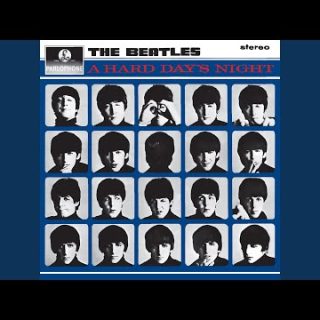
The immortal verses of ‘And I Love Her’ have wafted through the canopy of music history, resonating with tender affection and understated poignancy. Clad in the simplicity of its melody, The Beatles wove a silken anthem of love that feels both intimate and universal. Deceptively minimalist, the lyrics bear the mark of a romance etched in the permanence of the stars – a theme as enduring as love itself.