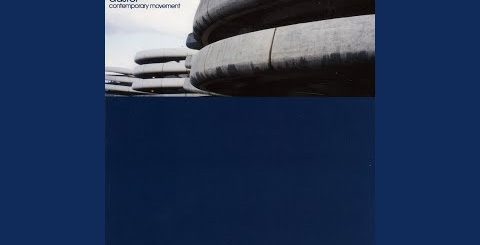
Reed to Hillsborough by Duster Lyrics Meaning – Unraveling the Sonic Tapestry of Existence
Lyrics
you know they say we’ll live again
needle down, candles on
my favorite cup, and a hi-fi stereo
everything’s not so bad
it’s the way home should be
the way the windows frame the trees
and smoke fills the room
colder now than last year
you know they say we’ll all be dead
needle down, needle in
In the realm of music where lyrics often oscillate between the literal and the labyrinthine, cult-beloved space rock band Duster carves out a niche of meditative ambiguity with their song ‘Reed to Hillsborough.’ Like an abstract painter dabbing hues of sound onto silence, the band offers us a canvas rife with potential meaning.
Through a seemingly minimalist narrative, the song invites listeners on a reflective journey that melds the physical with the metaphysical. Mirroring life’s simple pleasures against the backdrop of the way home should be, ‘Reed to Hillsborough’ becomes a vehicle for something greater—a dialogue on existence, repetition, and the soothing disbelief in the finality of an end.
The Ethereal Odyssey: Duster’s Soundscape Complexity
At first listen, the tranquil sounds that open ‘Reed to Hillsborough’ could be the score to a waking dream. Duster’s talent for constructing austerely rich atmospheres is on full display, with each reverberating note serving as a step deeper into contemplation. The gentle strumming and subdued melodies craft a space for listeners that is both intimate and infinite.
It is not merely about the sound but the environment it cultivates. The auditory experience of the needle dropping on a hi-fi stereo, the burning of candles, and the sight of nature through the windows—the song evokes a serene scene tinged with a subtle sense of melancholy and nostalgia.
Inhale the Mystic – What ‘Breathe It In’ Truly Means
Invoking the act of breathing in, the song’s opening line captures the essence of living in the present moment. ‘Light it up, breathe it in’ could be a metaphor for absorbing life’s varied experiences, with the subsequent ‘you know they say we’ll live again’ hinting at the cyclical and perhaps eternal nature of those experiences.
This breathing in is more than the physical act—it is metaphorically inhaling the essence of life itself. It’s a moment of recognition and acceptance of life’s transient beauty, embodied in the daily mundanities that the song portrays.
The Elegance of Everyday – A Dissection of Domestic Imagery
With ‘my favorite cup, and a hi-fi stereo,’ Duster nestles into the comfort of the familiar, the haven of home where one seeks refuge from the chaotic external world. The imagery is evocative, pointing listeners to sensory anchors that make life’s continuity bearable.
Everyday objects serve as vessels of personal history and emotional resonance, embodying a humble poetry of ordinary life. One can’t help but interpret these lines as reminders to cherish the small moments, as they might serve as connecting threads in the fabric of our existence.
Revelations Wrapped in Repetition – The Song’s Hidden Meaning
The hypnotic repetition of ‘needle down, needle in,’ accompanied by the cyclic description of seasons and the inevitability of death, suggests a contemplation on the perennial motion of life and the possible mundanity of rebirth. This mantra-like phrase becomes a symbol of continuity, of life’s record that keeps spinning despite individual endings.
It’s a revelation that what might be perceived as an end could just be another beginning in a different guise. The cyclical nature of the lyrics, mirrored in the music’s looping cadence, emphasizes the philosophical musings floating beneath the song’s surface.
Memorable Lines Etching Existential Echoes
‘Colder now than last year, you know they say we’ll all be dead’—these poignant words resonate with an eerie but calm acceptance of mortality. Duster doesn’t shy away from the blunt reality of death but frames it within the mundane progression of life—the changing of seasons, the cooling of the air.
There is a stark beauty in the directness with which the song confronts the end, not as a morbid declaration but as an inherent truth that adds depth to the ‘everything’s not so bad’ sentiment. It’s a line meant to be remembered, to echo in the listener’s mind, reminding us of the bittersweet synergy between life and death.