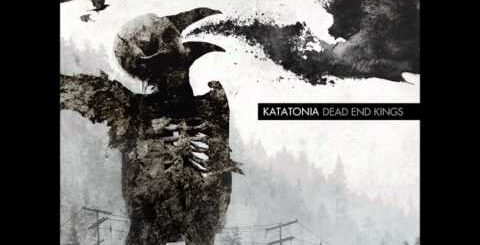
Saw You Drown by Katatonia Lyrics Meaning – Diving into the Depths of Desolation
Lyrics
It all came together
And your heart cries
Weeping through the weather
Another way to change your mind
I’m weaker than they say
To leave this all behind
The only way to stay
Don’t you know
I’m the end of what we’ll be
And right below us
The last thing you’ll see
In the water
I saw you drown
Down the water
Saw you drown
As through my shattered sight
You’re no longer here
And my heart cries
Sleeping through the light
Another way to change my mind
Never is the day
To leave this all behind
The only way to stay
In the world of melancholic music, few bands have mastered the craft of illustrating sorrow quite like Katatonia. Their song ‘Saw You Drown’ stands as a testament to their ability to weave feelings of despair and desolation into a poignant, lyrical tapestry. This isn’t just a song; it’s a narrative, a cathartic release for both the artist and the listener, where every chord resonates with the weight of unspoken emotion.
Drawing from the dark well of personal struggle, ‘Saw You Drown’ forms part of the band’s extensive catalog that navigates through the stormy waters of mental health, existential dread, and the perennial search for meaning. As Katatonia offers a soul-stirring blend of heavy riffs and haunting melodies, they invite us to explore the shadowy depths of the human experience.
Through Shattered Eyes: Seeing the End
The opening lines of ‘Saw You Drown’ set a foreboding stage for the listener’s journey. When frontman Jonas Renkse sings ‘As through your shattered eyes, it all came together,’ he is inviting us to witness the unravelling of a consciousness. These shattered eyes aren’t just wounded; they’re a metaphor for a changed perception, a mind that can no longer reconcile with the reality laid bare before it.
The beauty of the verse lies in its simplicity and its universal applicability. Anyone who’s undergone a traumatic event or a deep personal loss will understand the sentiment of seeing the world anew through the fragments of a former life. Renkse’s vocal delivery haunts with a resonance that’s both ethereal and grounded, acting as the perfect vehicle for the emotional gravity of the words.
Weathering the Heart Cries – Emotional Turbulence
The lyrics ‘And your heart cries, Weeping through the weather’ convey a raw emotional vulnerability that is rare in music. The heart is not just crying — it’s weeping, a word choice that amplifies the intensity of the emotion. Weather, often turbulent and unpredictable, serves as a brilliant metaphor for the inner tempest the song’s subject is experiencing.
We’re not simply talking about a bad day, but an enduring, soul-deep pain that seems to intertwine with the very atmosphere, making the personal plight inescapable and all-encompassing. This imagery creates a link between internal suffering and the external world, encapsulating the way our own emotions can color our perception of life around us.
The Hidden Meaning Behind the Ripples
Delving deeper into the song’s hidden meaning, ‘Saw You Drown’ can be interpreted as more than just a narrative of personal loss. It touches on the broader theme of existential resignation, the understanding that some facets of life, including its inevitable end, are out of our control. When Renkse says ‘I’m the end of what we’ll be,’ he speaks with the finality of someone acknowledging a profound and irreversible truth.
In the chorus, ‘In the water, I saw you drown,’ water is often symbolic of life, emotions, and rebirth, but here it is the medium of demise. The act of drowning, often linked to being overwhelmed and consumed, may also allude to the suffocating weight of depression or the loss of identity in an all-consuming world. The song weaves a delicate thread between metaphor and a stark literalism that speaks volumes of the band’s songcraft.
Never is the Day – The Battle Against Finality
The repeated lines ‘Another way to change your mind, Never is the day, To leave this all behind, The only way to stay,’ plays as a cyclic struggle against finality. Renkse captures a push-and-pull scenario: the longing for change juxtaposed with the acknowledgment of a fundamental stasis, or perhaps the instinct to survive against a tide of hopelessness.
This refrain encourages multiple listens, each one potentially peeling back layers of the protagonist’s internal debate. It lays bare a universal human contradiction—the often conflicting desires for evolution and consistency—and exemplifies Katatonia’s gift for turning introspective struggles into universal echoes.
Memorable Lines: Echoes in the Abyss
‘Don’t you know, I’m the end of what we’ll be’ stands out as one of the song’s most memorable lines. It’s a proclamation of an unfortunate truth, a foreshadowing of annihilation of what once was. It captures the essence of the song – the intersection of the end and the all-too-human fear and fascination with what lies beyond.
These words resonate with the listener, simultaneously grappling with the shock of recognition and the comfort of shared understanding. It’s emblematic of Katatonia’s ability to marry doom-laden lyricism with a call to our most deeply buried emotions, bringing fans back to this somber anthem time and again.