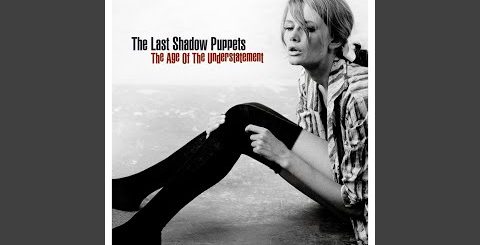
The Age of the Understatement by The Last Shadow Puppets Lyrics Meaning – Unveiling A Lyrical Tapestry of Seduction and Guarded Emotions
Lyrics
To sneak off away
From your stomach
And try your pulse
And captured
What seemed all
Unknowing and candid
But they suspected
It was false
She’s playful
The boring would
Warn you be careful
Of her brigade
In order to tame
This relentless marauder
Move away from the parade
And she was walking on the tables
In the glass house
Endearingly bedraggled in the wind
Subtle in her method of seduction
The twenty little tragedies begin
And she would throw
A feather boa in the road
If she thought
That it would set the scene
Unfittingly dipped
Into your companions
Enlighten them to make you see
And there’s affection to rent
The age of the understatement
Before the attraction ferments
Kiss me properly and pull me apart
Affection to rent
The age of the understatement
Before this attraction ferments
Kiss me properly and pull me apart
And my fingers scratch at my hair
Before my mind can get too reckless
The idea of seeing you here
Is enough to make the sweat grow cold
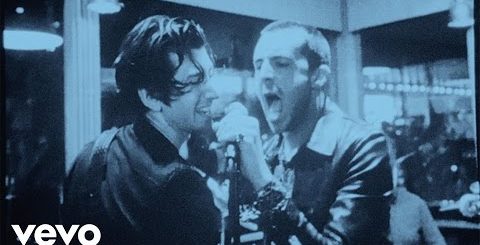
It was 2008 when Alex Turner and Miles Kane decided to gift the music scene with their collaborative spectacle, The Last Shadow Puppets, and with it, a track that encapsulated an era, a mood, and a statement: ‘The Age of the Understatement’. A sonic thunderclap fused with melodramatic threads, this song is a masterclass in lyrical imagery and emotion-driven storytelling.
Peering through the looking glass of Turner and Kane’s creation, we unravel a narrative filled with clandestine emotions, veiled cautions, and the allure of the untouchable. It’s not just a song; it’s a cinematic expedition into the heart of modern romantic escapades, where what is said is just the tip of the complex iceberg of human interaction.
Behind the Velvet Curtain: Unfolding the Charade
The opening to ‘The Age of the Understatement’ reads like a stage direction to a secretive play, one where the audience is aware of the facade. Turner and Kane don’t just write; they sculpt scenes with words, outlining a protagonist departing ‘from your stomach’, attempting to test their own pulse in the face of subterfuge.
Suspicions rise as what seemed ‘unknowing and candid’ is but a calculated move in a larger game. Here we encounter the dichotomy which drives the entire narrative: the incessant dance between the genuine and the contrived, the reality against the act.
The Seductress’ Gambit: Analyzing the Central Muse
She is ‘playful’, but her levity is a disguise for something deeper, something warned against. The ‘boring’ advise caution against her ‘brigade’, but the draw towards her is a magnetism that the song’s protagonist—and the audience—cannot elude.
Kane and Turner paint this femme fatale not as a one-dimensional figure but as a catalyst for chaos, a marauder of monotony. The lyrical lens zooms in as she traverses the ‘glass house’, suggesting vulnerability in exposure, even as she ensnares with ‘subtle’ methods.
The Dichotomy of Romance: A Dance of Intimacy and Distance
There’s a poignant push and pull in ‘The Age of the Understatement’—an affection that must be bought, transient and fleeting. It raises the question: what is authentic in the modern age of romance?
The ‘understatement’ synonymous with the title, then, doubles as a metaphor; it’s the downplaying of rampant emotions, a protective shield of stoicism in a culture that preaches detachment. Yet there stands an invitation to ‘kiss me properly and pull me apart’, a plea for depth amidst superficial exchanges.
Dramatic Crescendos: A Look at the Song’s Memorable Lines
Every verse in ‘The Age of the Understatement’ is drenched in drama, but nothing catches the ear quite like the line, ‘And she was walking on the tables in the glass house’. It’s a picture painted in reckless abandon, a moment of such profound impact that it halts the whirlwind the song thrusts us into.
It’s Turner and Kane’s lyrical artistry that allows them to draw this visual and emotional attention—a snapshot of a woman so daring, her actions alone can shift the wind’s direction. It’s lines like these that anchor the song’s theatricality while inviting listeners into the lore.
The Undercurrents of Restraint: Unraveling the Song’s Hidden Meaning
Beneath the saga of seduction and spectacle, ‘The Age of the Understatement’ carries a reflection on the self-imposed limits of emotional vulnerability. ‘And my fingers scratch at my hair, before my mind can get too reckless’, sings Turner, revealing anxiety beneath the allure.
The protagonist is teetering on the precipice of yielding to a trepidation-filled attraction, the kind that could unravel them entirely. The ‘sweat grow cold’ is not just a physical response; it’s a visceral representation of a being on the brink of surrender to the all-encompassing, perhaps overwhelming, force of connection.