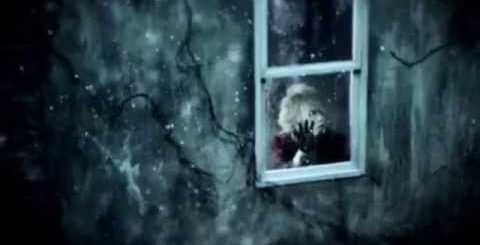
THE INVISIBLE WALL by the GazettE Lyrics Meaning – Unraveling the Complex Tapestry of Human Emotion
Lyrics
In soup of crime
It is a pain of the children
Whom you murdered
Hate yourself
In the maze without an end
Why do you still breathe?
瓦陳の下で真実がのたうち回る
絵は何よりも深い
The invisible wall
孤独 憎悪 嫉妬 不安
虚無に咲いた無表情 何よりも重い
The invisible wall
惨状覆う 不条理に思えた笑う青空
In the maze without an end
過ちに溺れ
In the maze without an end
Why do you still breathe?
Sorrow made you
In the bottom of the dark sea
Sorrow made you
償い続け and die
Pig that is soaked
In soup of crime
In the maze without an end
「Hate yourself」過ちに溺れ
In the maze without an end
「Hate yourself」
Why do you still breathe?
Sorrow made you
In the bottom of the dark sea
Sorrow made you
愛情も知らぬ孤独なパレード
Sorrow made you
In the bottom of the dark sea
Sorrow made you
償い続け and die
Sorrow made you
Peering beyond the veil of cacophony that envelopes ‘THE INVISIBLE WALL,’ the charged anthem by Japanese rock juggernaut the GazettE offers an introspective foray into the human psyche. This track isn’t just a fusion of melodic undertones and harsh musical jabs; it’s a philosophical treatise on the human condition, woven with threads of despair, self-loathing, and the eternal struggle for meaning.
To understand the rich, layered lyricism of ‘THE INVISIBLE WALL,’ it is essential to excavate the deeper thematic subtexts that roam beneath the surface. The GazettE doesn’t just create music; they spawn a dialogue with our innermost selves, beckoning us to confront the ubiquitous ‘walls’ we construct—both tangible and metaphorical—within our lives.
The Swine in Crime’s Broth: Decoding Guilt and Punishment
When they refer to the ‘Pig that is soaked / In soup of crime,’ the GazettE thrusts us into the grime of guilt. It is a stark indictment—the ‘you’ bathed in culpability, potentially society at large, sullied and drenched in the consequences of actions most vile. This line forces self-reflection and poses the question of accountability within our own lives.
Contrasting innocence with guilt, the reference to slaughtered children might represent a loss of innocence or purity. Here, the band could be implying that society’s transgressions are not victimless; they resonate and echo, wounding the most vulnerable amongst us, thrashing with the spasms of truth beneath the rubble of deception.
Trapped Within Emotion’s Labyrinth
The recurring phrase ‘In the maze without an end’ evokes the sensation of being trapped. It’s an exploration of the human condition that is complex and enigmatic, strikingly mirroring the sensation of being lost within the depths of one’s emotions and thoughts, searching for a respite that never seems to come.
This metaphor of the maze suggests that we often find ourselves navigating an internal purgatory of our own making, beset by our demons and regrets. As the lyrics beseech, ‘Why do you still breathe?’—they implore us to confront why we persist amid these endless struggles, challenging us to find purpose even when suffocated by our own doubts.
Crushing Weights: The juxtaposition of Despair and Nature’s Indifference
In an eloquent depiction of despair, the band illustrates the burden of ‘The invisible wall,’ which is said to be heavier than any physical barrier. Whether this represents societal expectations, personal limitations, or emotional barricades, the weight is profound, exacerbating the sense of entrapment.
Almost tauntingly, the notion of a ‘laughing blue sky’ overlaid on tragedy paints the stark contrast of the world’s indifference to personal anguish. The sky, perhaps symbolic of a carefree existence or a world beyond reach, continues to laugh in the face of our distress—a poignant reminder of our isolation.
The Parable of Sorrow and the Dark Sea’s Depths
The declaration that ‘Sorrow made you’ transports us to the central theme of the piece: the transformative power of anguish. Yet, this isn’t about glorification. It is an austere acknowledgment that the very essence of our beings is often sculpted by the pain we endure and the grief that consumes us, much like an artist shapes their creation.
Imagining sorrow as an abyssal ocean, the GazettE captures the overwhelming and suffocating nature of deep-seated pain. This sorrow is a relentless force, perpetuating a cycle of suffering that the band suggests can only end in one conceivable way—through cessation, whether metaphorical or literal.
The Painful Parade of Loveless Loneliness
The tragic ‘lonely parade’ the GazettE speaks of is emblematic of life’s solitary march. Unloved, unbeknownst of true connection, those who feel alienated carry on in silent procession, each step a testament to their desolation but also to their resilience in the face of emotional deserts.
As the song progresses towards its culmination, the solemn convergence of music and words crescendos into a dirge—’Sorrow made you…償い続け and die.’ Within these powerful phrases lurk perhaps the most haunting element: the inner turmoil of existence and the inexorable pull towards redemption, even if it leads to oblivion.