To Rid the Disease by Opeth Lyrics Meaning – Unraveling the Tangled Web of Betrayal and Redemption
Lyrics
There’s nobody near
I try not to care
Dead eyes always stare
Let these matters be
(Don’t trust what you see)
Take hold of your time
(Step into the line)
There’s innocence torn from its maker
Stillborn, the trust in you
This failure has made the creator
So would you tell him what to do?
(Would you?)
Leave your mark upon
The head of someone
Who’ll cry for his state
We know it’s too late
I turn round to see
(What was meant to be)
Faint movement release
(To rid the disease)
There’s innocence torn from its maker
Stillborn, the trust in you
(I have lost all trust I had in you)
This failure has made the creator
So would you tell him what to do?
(I have lost all trust I had in you)
Opeth, the Swedish metal maestros, have never shied away from composing music that travels the depths of the human psyche, weaving through the fabrics of emotional turmoil and existential dread. ‘To Rid the Disease’ is a quintessential display of their artistic bravado, fusing melancholic melodies with introspective lyrics that challenge listeners to peel back the layers of its enigmatic message.
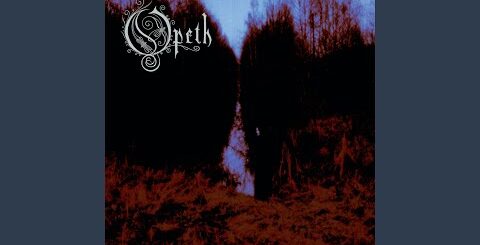
Embarking on a journey through the corridors of this haunting track from their revered album ‘Damnation’, we endeavor to uncover the layers of meaning embedded within the confessional verses penned by Mikael Åkerfeldt. The song is a meditation on betrayal, the loss of innocence, and the elusive quest for redemption, all set to the ethereal ambiance that only Opeth can conjure.
The Ghostly Gaze: Eyeing the Void of Disillusionment
The lyrics of ‘To Rid the Disease’ open with a chilling picture of isolation – ‘There’s nobody here, there’s nobody near’. This sets the stage for a narrative steeped in detachment and the paralyzing realization that the presence of others offers no solace. Opeth invites us into a world where the bystander’s ‘Dead eyes always stare’, suggesting a soulless encounter with society’s apathy.
The duality of these lines teases the existential dread and the internal struggle to find significance in a realm that no longer holds meaning. It’s a realm where the external validation becomes a hollow echo, failing to fill the cavernous void left by a profound sense of betrayal.
The Unraveling Fabric of Trust: A Maker’s Disillusionment
‘There’s innocence torn from its maker’ – perhaps one of the song’s most poignant moments, resonating with the agony of corrupted purity. Opeth taps into the universal pain of a trust that’s not just broken but annihilated at its very source. The imagery of something ‘Stillborn, the trust in you’ evokes a sense of finality, a death that precedes the chance to truly live.
By referencing a ‘creator’ who has been failed by his own creation, the band alludes to a twisted parental metaphor, or possibly a diety turned despondent by the flaws manifested in humanity. This powerful notion of a fall from grace finds the protagonist in a role reversal, prodding the omniscient for directions – ‘So would you tell him what to do?’ The skepticism in these words threads a delicate line between reverence and defiance.
A Dirge for What Might Have Been: The Grieving Process
The sense of mourning permeates the track, but it’s not just for what has been lost, but also for the lost potential – ‘Who’ll cry for his state, We know it’s too late.’ It’s a profound acknowledgment of an irreversible condition, a stage in grief where denial gives way to acceptance, albeit tinged with sorrow. Opeth doesn’t just convey the message; they embed the emotion into the very structure of the song.
By conceding the inevitability of the situation, ‘To Rid the Disease’ ventures into the acceptance of defeat without offering the comfort of closure. The melancholy inherent in these lines is enforced by the haunting instrumental accompaniment that Opeth is renowned for, creating a somber soundscape that mirrors the heavy-hearted verses.
Seeking Salvation in a Maze of Despondency
In a quest for cleansing, the lyrics edge towards seeking a release – ‘Faint movement release, To rid the disease’. The metaphorical ‘disease’ is multifaceted, perhaps signifying the contamination of the spirit by disillusionment, deception, and loss. The desire for purification, to rid oneself of the emotional afflictions, is as desperate as it is futile in the universe Opeth crafts.
The imagery of faint movements gestures towards the minimal, almost imperceptible steps towards healing or escaping the malaise that afflicts the soul. Freedom from the figurative disease appears to require more than just a physical act; it is a metaphysical journey that challenges the very essence of being.
Memorable Lines: Echoes of a Soul’s Lament
As the song reaches its melancholic zenith, it is the repetition of the line ‘I have lost all trust I had in you’, that burrows deep into the listener’s consciousness. It acts as the haunting refrain of a soul that once held conviction but now grapples with the emptiness left by its absence. The lyrics here are not just words; they are the embodiment of a scar that refuses to heal.
The stark nakedness of this confession is characteristic of Åkerfeldt’s lyrical prowess, capable of dissecting complex emotions with surgical precision. Each utterance serves as an epitaph for the lost faith, an inscription on the tombstone of a once sacrosanct belief, now cold and unliving.