Up to Me by Jethro Tull Lyrics Meaning – Decoding the Timeless Classic
Lyrics
And leave you in a Wimpy Bar
You tell me that we’ve gone too far
Come running up to me
Make the scene at Cousin Jack’s
Leave him to put the bottles back
Mends his glasses that I cracked
Well that’s one up to me
Buy a silver cloud to ride
Pack a tennis club inside
Trouser cuffs hung far too wide
Well it was up to me
Tire’s down on your bicycle
Your nose feels feels like an icicle
The yellow fingered smoky girl
Is looking up to me
Well I’m a common working man
With a half of bitter, bread and jam
And if it pleases me I’ll put one on you man
When the copper fades away
The rainy season comes to pass
The day-glo pirate sinks at last
And if I laughed a bit too fast
Well it was up to me
Take you to the cinema
And leave you in a Wimpy Bar
You tell me that we’ve gone too far
Come running up to me
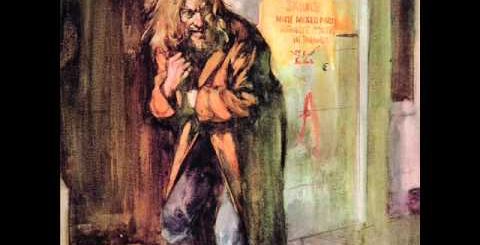
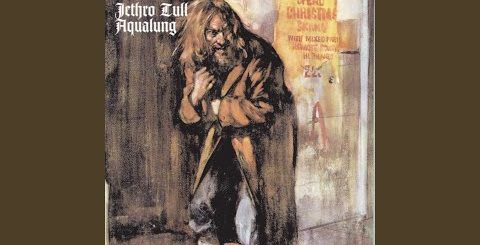
Jethro Tull has long been synonymous with musical innovation and lyrical craftsmanship. Their song ‘Up to Me’ from the classic 1971 album ‘Aqualung’ is no exception, enveloping a whimsically sardonic narrative in folk-rock virtuosity. At first glance, it reads like a series of vignettes, snapshots of youth, rebellion, and the inevitable march of time. But is there more nestled within the lines?
With a blend of anecdotal imagery and grounded self-awareness, lead singer and flutist Ian Anderson weaves a tale that is as complex as it is catchy. Delving into the song’s lyrical depth reveals a multifaceted exploration of personal agency, societal expectations, and the mocking tone of someone acutely aware of their own defiance.
The Maverick’s Playground: Personal Agency in ‘Up to Me’
The repeated phrase, ‘Well, it was up to me,’ serves as a manifesto of personal responsibility. Yet, there’s a twist of irony, as vocalist Ian Anderson’s musings suggest a play with freedom and choice amid the mundane and sometimes absurd realities of life. Each verse paints a picture of life’s ridiculousness—from unwieldy trouser cuffs to the surreal image of a smoking girl—and at the end of each escapade, the protagonist shrugs it off as their own decision.
This embrace of agency, however tongue-in-cheek, challenges the listener to consider how much of their life is truly ‘up to them.’ It’s a self-aware commentary on the extent of our autonomy, with Anderson acknowledging the unspoken rules of society while cheekily asserting his role in the game.
Escapades and Antics: A Cinematic Twist on the Quotidian
From a disastrous outing at a cinema to leaving a companion at a fast-food joint, ‘Up to Me’ serves as a storyboard of life’s little dramas. Jethro Tull turns the spotlight on everyday occurrences, probing the sheer randomness with which we encounter life’s trials and fumbles. It’s almost as if Anderson is daring the audience to find the grand narrative in the seemingly insignificant.
These vignettes also capture the spirit of an era where cultural taboos were being dismantled, one absurdity at a time. ‘Up to Me’ presents these scenes with both the charm of nostalgia and the poignant satire of a comedian looking back at their earlier pratfalls.
Beneath the Whimsy: The Song’s Hidden Rebellion
Although ‘Up to Me’ might present a series of light-hearted scenarios, there’s an undercurrent of defiance that courses through the track. It’s a subtle nose-thumbing at ‘the way things are supposed to be,’ as scenarios unfold in a manner that is decidedly not by the book. Anderson’s admission of breaking glasses and the provocative image of a yellow-fingered smoky girl suggest a refusal to conform to expectations.
Moreover, the song skims over the gilded edge of the British class system, never diving in but consistently bouncing against its barriers. Whether it’s poking fun at the luxuries of a silver cloud or the working man’s simple pleasures of bitter, bread, and jam, there is a sense that these are small acts of rebellion against a predetermined social script.
Memorable Lines and Linguistic Gymnastics
Ian Anderson has always had an affinity for turning a phrase, and ‘Up to Me’ is riddled with lyrical gems that are humorous yet biting. The ‘day-glo pirate’ and the ‘cinema… Wimpy Bar’ scenario seamlessly blend colloquial speech with vivid descriptions, creating an earworm that refuses to dislodge.
These lines are more than just catchy they’re a testament to an era and a particular British sensibility. They encapsulate the mood of a time when wit and a dose of irreverence were tools for both entertainment and subtle critique.
Reflections in Time: ‘Up to Me’ and the Dynamism of the 70s
Placing ‘Up to Me’ within the tapestry of the 1970s, the song mirrors the dynamic shifts of the era. The allure of the hippie movement, the confrontations with authority, and the rising voice of a generation looking to make its own rules all resonate within Anderson’s delivery.
The song compounds a sense of generational identity with its grounding in the personal. It isn’t just a statement on the times; it’s an intimate nod to the listener’s autonomy in an ever-changing world. The character may be a ‘common working man,’ but he’s also an agent of his fate, laughing ‘a bit too fast’ as time ushers him forward.