Lost In Yesterday by Tame Impala Lyrics Meaning – Nostalgic Reverie in the Depths of Psychedelic Rock
- Music Video
- Lyrics
-
Song Meaning
- Memories Metamorphosed to Melodies: The Transience of Perception
- Ephemeral Euphoria: Revisiting the Surprising Joys in Turmoil
- Haunted by the Echoes: The Visceral Grip of the Past
- Climbing the Ladder of Perception: A Hidden Psychological Narrative
- Irresistibly quotable: Timeless hooks that anchor the mind
Lyrics
Back when we used to get on it four out of seven
Now even though that was a time I hated from day one
Eventually terrible memories turn into great ones
So if they call you
Embrace them
If they hold you
Erase them
‘Cause it might’ve been something, who’s to say?
Does it help to get lost in yesterday?
And you might’ve missed something, don’t say
‘Cause it has to be lost in yesterday
And you’re gonna have to let it go someday
You’ve been diggin’ it up like Groundhog Day
‘Cause it might’ve been something, don’t say
‘Cause it has to be lost in yesterday
Matty said life didn’t go the way that he planned it
Said, “Oh, what I’d give to start over, boy I’d command it”
So what was I ever afraid of? Why did I worry?
And why was I ever so brainless? Head in a flurry
‘Cause they call you
Embrace them
If they stall you
Erase them
‘Cause it might’ve been something, who’s to say?
Does it help to get lost in yesterday?
And you might’ve missed something, don’t say
‘Cause it has to be lost in yesterday
And you’re gonna have to let it go someday
You’ve been pickin’ it up like Groundhog Day
‘Cause it might’ve been something, don’t say
‘Cause it has to be lost in yesterday
If it calls you
Embrace it
If it haunts you
Face it
I know it’s mad, I understand
It’s only snakes and ladders
The period you never had
There’s only one that matters
And if it calls you
Embrace it
If it holds you
Erase it
Erase it
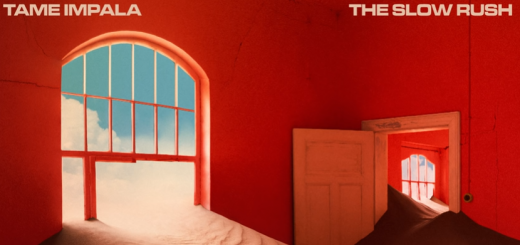
Enter the lyrical labyrinth of Tame Impala’s ‘Lost In Yesterday,’ a song that melds the intricacies of memory with the ethereal soundscape of Kevin Parker’s musical mastery. The track, an enigmatic gem from Tame Impala’s fourth studio album ‘The Slow Rush,’ invites listeners into a contemplative dive through the haze of reminiscence, emerging with profound musings on the passage of time.
Wrapped in a cocoon of haunting melodies and Parker’s airy vocals, ‘Lost In Yesterday’ tackles the often painful, yet universal experience of wrestling with the past. How do our memories change over time? Do they transform from the unbearable to the idolized? This song isn’t just a mere auditory escape; it is a philosophical inquiry set to the tune of an indelible beat that insists on iterating the enigmatic human condition.
Memories Metamorphosed to Melodies: The Transience of Perception
Parker’s narrative begins in the throes of ‘squalor,’ a term that speaks to his once impoverished conditions, yet he notes this past ‘wasn’t it heaven?’ This paradox sets the tone for the song, mirroring how time softens the edges of our past hardships, gilding them with a nostalgic sheen that renders the past more palatable, even romanticized. The relatable lyrics serve as an exploration of how our current states inform the recollection and value of bygone days.
It is a bold commentary on the capricious nature of memory. The lyrics’ insistent questioning underscores a sense of confusion—do we cling to an inaccurate version of yesterday for comfort, or do we choose to face the less flattering realities of our history? Tame Impala’s soundscape underscores this inquiry, the oscillating synths and steady beat providing the backdrop to a relentless cycle of recollection and reevaluation.
Ephemeral Euphoria: Revisiting the Surprising Joys in Turmoil
The pivot from displeasure to delight in memories ‘hated from day one’ is a testament to the human psyche’s ability to reinterpret and find joy in previously difficult experiences. ‘Lost In Yesterday’ serves as an anthem for those who look back at the trials they’ve overcome, not with bitterness, but with a newfound appreciation for the strength they’ve gained.
This reinterpretation could also reflect a denial, a form of self-deception to make peace with an imperfect past. But Parker seems to suggest that this altered recall is not only natural but necessary—a vital part of our mental evolution.
Haunted by the Echoes: The Visceral Grip of the Past
‘If it haunts you/Face it,’ implores Parker, recognizing the undying power of the past in shaping our psyche. Herein lies the struggle to extricate ourselves from a history that insists on making its presence known. Whether through regret, fondness, or the unresolved, our history serves as the ghost at our feast, at times unwanted, at others, the guest of honor.
Parker’s chorus, both soothing and stirring, acts as a guide through the phantasmagoric corridors of our own narratives. His words nudge us: do not shun the specters of yesteryears—embrace them, confront them, and if necessary, let them fade into the forgotten.
Climbing the Ladder of Perception: A Hidden Psychological Narrative
Parker’s reference to ‘snakes and ladders’ serves as a brilliant metaphor encapsulating the randomness and unpredictability of life’s journey—with every step forward, there is the potential to slide back. The game-like imagery plays with the idea that our journey through memory is not linear but scattered with regressions and moments of serendipitous progress.
He touches on the one ‘period you never had,’ which can suggest the collective longing for experiences we’ve never lived, a shared human desire for what remains eternally out of reach. The repeated lines ‘If it calls you/Embrace it/If it holds you/Erase it’ push and pull at our consciousness, urging us to reckon with desire and detachment, arguably the crux of the human condition.
Irresistibly quotable: Timeless hooks that anchor the mind
Amidst the layered complexities of ‘Lost In Yesterday,’ are deceptively simple lines that burrow into the psyche: ‘And you’re gonna have to let it go someday/You’ve been pickin’ it up like Groundhog Day.’ This clever invocation of the Bill Murray film is rife with implications—our cyclical nature, the comfort of the familiar, even when it becomes burdensome. It begs the question: can we ever wholly detach from our past, or are we destined to relive it in some fashion?
These memorable lines harness the power of the entire song, distilling its essence and inviting audiences from all walks of life to see their reflections in its depth. The track culminates in a collective call to both acknowledge our past and to recognize the point when it’s time to release it—an ode to the ephemeral chains of memory that, if we’re not careful, may hold us captive in an endless reverie.