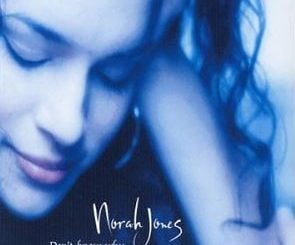
Broken by Norah Jones Lyrics Meaning – Unraveling the Emotive Tapestry in Song
Lyrics
Guess he’s been that way now for quite a while
He’s got blood on his shoes and mud on his brim
Did he do it to himself or was it done to him?
Now people say that he don’t look well
But all he needs from what I can tell
Is someone to help wash away all the paint
From his purple hands before it gets too late
I saw him stand alone under a broken street light
So sincere, singing silent night
But the trees, they were full and the grass was green
It was the sweetest thing I had ever seen
He may move slow
But that don’t mean he’s going nowhere
He may be moving slow
But that don’t mean he’s going nowhere
Norah Jones’s track ‘Broken’ whispers a tale of quiet despair and the resilience of the human spirit. With her signature blend of soulful melancholy and understated prowess, Jones delivers a powerful narrative bottled within the confines of a melodic whisper.
The song captures the essence of a life marked by hardship and the subtle plea for companionship and salvation. In the unraveling of its lyrics, lies a deeper meaning—one that resonates with the struggles and the unnoticed cries for help that pervade our world.
The Voice of Isolation: A Symphony of Struggle
Jones’s gentle yet piercing description of a broken man navigating his existence sets the stage for a profound exploration of human vulnerability. The character’s ‘broken voice’ and ‘twisted smile’ serve as metaphors for the internal and external battles he endures. The imagery is vivid, painting a picture of a man scarred by experiences, wandering through life’s chaotic canvas.
The notion of ‘blood on his shoes’ and ‘mud on his brim’ evoke a sense of journey—perhaps one that he has embarked on unwillingly, fraught with missteps and stained with the consequences of his actions, or those of others upon him.
A Cry for Compassion Amidst the Chaos
The observational lens through which Jones views her subject is not one of judgment but of empathy. As others merely comment on his deteriorating appearance, she sees a cry for help—’someone to help wash away all the paint.’ It’s a plea for human connection and an outstretched hand that could potentially lead him back from the precipice of despair.
While the paint marks his purple hands as a badge of his plight, it also suggests that the stains of his experiences are not yet indelible. With compassion and time, they can be cleansed, hinting at the possibility of redemption and healing.
Under the Broken Street Light: A Beacon in the Gloom
The scene set under a ‘broken street light’ is symbolic of the man’s standing on the fringes of society, illuminated by a flickering hope that barely pierces the darkness. The paradox in ‘singing silent night’ under this dim light captures the essence of his solitude—it’s a moment of purity and simplicity juxtaposed against his complex afflictions.
Yet in the midst of his silent serenade, life thrives around him—the ‘trees…full’ and the ‘grass was green.’ The beauty in this stark contrast lies in Jones’s depiction of a world nearby that continues its course, oblivious to his suffering.
Perception Versus Reality: The Tortoise in the Race of Life
The refrain ‘He may move slow / But that don’t mean he’s going nowhere’ serves as both an observation and a reassurance. Jones challenges the common perception of speed equating to progress. Her character, although lagging in the eyes of passersby, is still partaking in his own journey—albeit at a different pace.
This assertion speaks to the truth that everyone’s path is distinct and that visibility of progress is not always the measure of actual advancement. It’s a reminder that being slow to move does not imply stagnation, but a different rhythm in the dance of life.
The Hidden Riches in ‘Broken’: Unveiling the Song’s Deeper Meaning
Stepping back from the literal narrative of ‘Broken,’ one might discern an allegory for the unseen struggles that so many endure. Each individual carries the weight of their history, their struggles, and their efforts to rise above the fray. Norah Jones’s character becomes an everyman, a symbol of the silent battles we witness or ignore every day.
In these lines, and the spaces between them, Jones crafts a canvas where listeners can project their empathy and connect with the greater human experience. By doing so, the song stands as a testament to the pervasive need for understanding and the quiet resilience that defines the human condition.