Dig It by The Beatles Lyrics Meaning – Unearthing the Cultural Mosaic
Lyrics
A like a rolling stone
Like the FBI and the CIA
And the BBC, BB King
And Doris Day
Matt Busby
Dig it, dig it, dig it
Dig it, dig it, dig it, dig it, dig it, dig it, dig it, dig it
“That was ‘Can You Dig It’ by Georgie Wood.
And now we’d like to do ‘Hark The Angels Come’.”
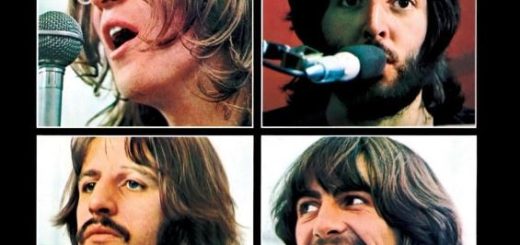
In the vast discography of The Beatles, certain tracks stand out as enigmas, snippets of sound that offer glimpses into the legendary band’s more impromptu and experimental moments. ‘Dig It,’ a short but curious piece from the ‘Let It Be’ album, stirs the imagination and demands a deeper listen. Structurally it diverges from the band’s classic hits, serving less as a standalone single and more as a cultural timestamp and a fragment of studio banter given a life of its own.
Littered with seemingly nonsensical references and a chorus that’s more of a chant than lyrical exposition, ‘Dig It’ might just be one of the most misunderstood and underappreciated entries into The Beatles’ canon. This playful and eccentric track deserves a deep dive to unravel the tapestry of its meanings, moments, and the snapshot of history it inadvertently captured.
Dig into the Cultural Zeitgeist
At first glance, the lyrics of ‘Dig It’ may appear as throwaway lines, but they speak volumes of the era’s cultural fabric. Mentioning iconic figures like the FBI, the CIA, the BBC, BB King, and even ‘Matt Busby,’ The Beatles were sketching a vibrant picture of the late 60s through free association. It is as if they are twisting the radio dial, landing on snippets of news and music that delineate their contemporary world.
Each name dropped is a thread in the larger tapestry, representing authority, entertainment, news media, sports—and when stitched together, they create a patchwork of a tumultuous yet deeply interconnected era. To ‘dig it’ is to understand and appreciate this mosaic, to acknowledge the absurdity and the significance of every element that defines a time.
Decoding the Song’s Freeform Essence
‘Dig It’ is the antithesis of the conventional pop song, defying standard verse-chorus structure for an almost avant-garde presentation. Its spontaneous nature can be attributed to the band’s desire to return to their raw musical roots during the ‘Let It Be’ sessions, experimenting with form and content.
This unpolished, unrehearsed jam session resulted in a piece that feels more akin to a spoken word performance underscored by a gritty groove. It blurs the line between the carefully crafted pop anthems they were known for and the unvarnished creative process often hidden from the public eye.
The Unearthing of a Hidden Meaning
Amidst the seemingly absurdist jumble, ‘Dig It’ holds a cryptic quality that tends to resonate on a subconscious level. It could be perceived as The Beatles’ reflection on fame, suggesting that from their elevated standpoint, societal and cultural figures are both omnipresent and transient.
In saying ‘Like a rolling stone,’ the track might be subtly acknowledging the fleeting nature of success and fame, akin to Bob Dylan’s 1965 masterpiece about a fall from grace. Every iconic name mentioned in ‘Dig It’ had rolled through the public consciousness like stones, temporarily at the forefront before the next wave of icons emerges.
Memorable Lines: Chaos into Harmony
‘Dig It’ may not have the extended lyrical narrative of other Beatles classics, but it nonetheless features a chorus that’s both catchy and boggling. The repetition of ‘dig it’ serves as a mantra, coaxing listeners into a state of meditative acceptance of the undefined and the chaotic.
Even as the song lacks a traditional hook, its rhythmic insistence is unforgettable. The lyrics resonate as echoes of a theme—a nod to those attentive enough to recognize the names, to those ‘in the know.’ It crafts an immediate heritage, melding seemingly disparate elements into a rhythmic whole.
The Song’s Legacy in the Beatles Lore
Though ‘Dig It’ might not be remembered as one of The Beatles’ greatest hits, it stands as a testament to the band’s willingness to step away from the limelight and engage in the sheer enjoyment of music-making. It captures a slice of The Beatles at their most unrestrained—playing not for charts or critics, but for themselves.
The song is a time capsule that begs us to look beyond the surface, to ‘dig’ into the fabric of a bygone era and unearth a deeper appreciation. It is an invitation to hear The Beatles not just as musicians, but as cultural scribes, documenting and participating in their world, if only for a fleeting moment.