The Promised Land by Bruce Springsteen Lyrics Meaning – Unraveling the Heart of American Resilience
Lyrics
I pick up my money and head back into town
Driving ‘cross the Waynesboro county line
I got the radio on and I’m just killing time
Working all day in my daddy’s garage
Driving all night chasing some mirage
Pretty soon little girl I’m gonna take charge
The dogs on Main Street
Howl ’cause they understand
If I could take one moment into my hands
Mister I ain’t a boy, no I’m a man
And I believe in a promised land
I’ve done my best to live the right way
I get up every morning and
Go to work each day
But your eyes go blind and
Your blood runs cold
Sometimes I feel so weak I
Just want to explode
Explode and tear this whole town apart
Take a knife and cut this pain from my heart
Find somebody itching for something to start
The dogs on Main Street
Howl ’cause they understand
If I could reach one moment into my hands
Mister I ain’t a boy, no I’m a man
And I believe in a promised land
Well there’s a dark cloud rising
From the desert floor
I packed my bags and I’m
Heading straight into the storm
Gonna be a twister to blow everything down
That ain’t got the faith to stand it’s ground
Blow away the dreams that tear you apart
Blow away the dreams that break your heart
Blow away the lies that leave you
Nothing but lost and brokenhearted
The dogs on Main Street
Howl ’cause they understand
If I could take one moment into my hands
Mister I ain’t a boy, no I’m a man
And I believe in a promised land
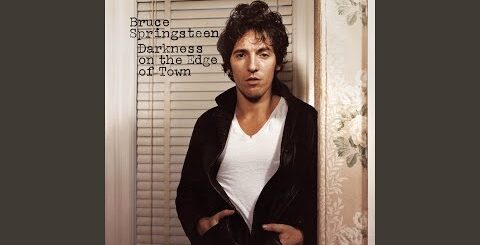
In ‘The Promised Land,’ Bruce Springsteen crafts a narrative that resonates with the ethos of America’s working class—a song that has become a timeless anthem about hope, struggle and the pursuit of something greater. The track, off his 1978 album ‘Darkness on the Edge of Town,’ is an intricate tale of personal ambition and the yearning for transformation amidst the desolate backdrop of a life that teeters on the edge of stagnation and the barrenness of the Utah desert.
Springsteen’s lyrics weave a tapestry of images and emotions that tap into the very soul of the listener. It’s a song that, on its surface, tells the story of a man’s determination to change his circumstances, but it delves much deeper, exploring themes of disillusionment, the human condition, and the ever-persistent push towards one’s own promised land. Let’s dive into the layers of this tune and unearth the poetic profundity hidden within ‘The Promised Land.’
Chasing Mirage to Mastery: The Journey from Boyhood to Manhood
At the heart of ‘The Promised Land’ is the transformation from boyhood to manhood. The protagonist’s declaration, ‘Mister I ain’t a boy, no I’m a man’ isn’t merely about age—it’s about a mental leap into empowerment and self-assertion. Springsteen characterizes this journey as one fraught with endless labor ‘in my daddy’s garage’ and the circular pattern of ‘chasing some mirage,’ suggesting a recognition of the futility of life’s patterns and the potential for change.
This man is poised at the cusp of taking charge, implying not just a personal turning point but a universally shared moment of decision where one resolves to grasp their fate with their own hands. Springsteen uses this narrative to mirror societal transitions, reflecting the spirit of resilience required to move forward in life, much like the country he speaks to slides from innocence to maturity.
An Echo of Desperation in Small-Town America
Springsteen’s use of place, specifically the ‘Waynesboro county line’ and the ‘rattlesnake speedway,’ grounds the song in a geography that is distinctly American and emblematic of small-town life. These landscapes serve as symbols for the common grind and the dragged-out battles fought within the mundane. The desolation felt by many who toil in such environments is laid bare when Springsteen croons about the collision of desperation with the desire for an explosive change.
The protagonist’s internal struggle is matched by the external bleakness, shaping a sense of solidarity—a collective understanding—that the ‘dogs on Main Street howl.’ This haunting image evokes a visceral sense of a community’s unvoiced recognition of their shared plight, howling as a natural response to the soco’s hidden tensions and widespread yearnings.
Deconstructing The Promised Land: Peeling Back Layers of Meaning
Exploring the titular ‘promised land,’ the lyrics suggest both a critique and a celebration of the American Dream. There is the promise of opportunity, juxtaposed against the grim reality many citizens confront. Springsteen taps into this dichotomy, addressing the stark difference between the ideals of prosperity and the often-harsh truth of achieving it.
This ‘promised land’ is not just a physical location but also a psychological state—an aspiration for peace, fulfillment, and a slice of the ever-elusive American pie. The artist elevates the song from a personal declaration to a collective consciousness when he extols the belief in this promised land, understanding that for many, belief is the first step towards realization.
Striking Lyrics That Cut to the Core
Springsteen’s ability to distill the complexities of life into poignant lines is on full display in ‘The Promised Land.’ The memorably raw sentiment, ‘I feel so weak I just want to explode’ embodies a universal emotion—a tipping point where suppression yields to the necessity of purgation. Similarly, ‘Gonna be a twister to blow everything down,’ vividly describes the cathartic need to upend stagnation and clear the ground for new growth.
These lines are not just notable for their evocative potency but also for their narrative function. They hint at the idea that this promised land can only be reached after a reckoning, after confronting the ‘dark cloud rising from the desert floor’—an apocalypse of the soul leading to rebirth.
The Legacy of ‘The Promised Land’ in Cultural Consciousness
Beyond its exploration of personal elevation and social critique, ‘The Promised Land’ has etched itself into the cultural consciousness as an ode to endurance. Its representation of the indomitable human spirit resonates across generations and geographic boundaries, morphing into a cross-cultural symbol of the relentless drive that fuels progress.
Springsteen’s narrative lives on as a powerful reminder that within the heart of every person lies the potential to rise above circumstances and to transform the blights of the ‘lost and brokenhearted’ into the sturdy brickwork of their own promised land. The song’s steadfast appeal lies in its honesty and in the singer’s gritty articulation of hope as something worth howling for, worth fighting for.