Santa Baby by Ariana Grande Lyrics Meaning – Unwrapping Holiday Desires and Modern Materialism
Lyrics
For me, (mhm) I’ve been an awful good girl
Santa baby, so hurry down the chimney tonight
Santa baby, a ’54 convertible too, light blue
I’ll wait up for you dear
Santa baby, and hurry down the chimney tonight
Think of all the fun I’ve missed
Think of all the fellas that I haven’t kissed
Next year I could be just as good
If you’d check off my Christmas list
Santa baby, I wanna yacht and really that’s not a lie
I’ve been an angel all year
Santa baby, and hurry down the chimney tonight, ooh yeah
Santa honey, the one thing that I really do need, the deed
To a platinum mine
Santa honey, so hurry down the chimney tonight
Come and trim my Christmas tree
With some decorations bought at Tiffany’s
I really do believe in you
Let’s see if you believe in me
Santa baby, forgot to mention one little thing, a ring
But I don’t mean other phone
Santa baby, and hurry down the chimney tonight
So hurry down the chimney tonight
(Waiting, hurry)
(Tonight)
Hurry down the chimney tonight
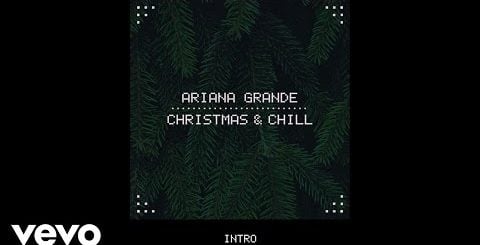
In the sea of holiday music, few songs stand out for both their jingle and their cheeky narrative like ‘Santa Baby.’ Covered by many, including the pop sensation Ariana Grande, this yuletide tune is far more than just a catchy melody wrapped up in festive cheer. Grande, known for her powerhouse vocals and magnetic stage presence, lends her voice to this classic, infusing it with a modern twist that speaks to today’s era.
Delving into the rich layers of this seemingly whimsical song, we uncover a web of nuances that decode modern femininity, materialism, and the holiday hustle. ‘Santa Baby’ may have been originally penned in 1953 by Joan Javits and Philip Springer, but Grande’s rendition resonates with contemporary audiences, as it twinkles with satire and the glint of luxury consumerism that defines the 21st century.
The Luxe and Lure of Material Wealth
From the opening line, Grande’s ‘Santa Baby’ entices with the opulent image of a sable fur slipping ‘under the tree.’ In her seductive plea to Santa, the songstress isn’t just dreaming of a white Christmas; she’s dreaming of a wealthy one. These lyrics paint a picture of luxury and privilege, a fantastical wishlist that mirrors the height of consumerism during the holiday season. But is it just innocence and caprice, or a critical comment on society’s penchant for lavishness?
With each verse, the song playfully tickles the boundaries of excess, from a ’54 convertible to offerings from Tiffany’s, and finally, a yacht. Such grandiosity doesn’t just reflect a wish for material belongings—it’s a commentary on the modern ethos where worth and happiness are often measured by the tangibles one acquires, especially in the season of giving.
A Feminine Touch to Negotiating Desires
A striking aspect of Grande’s performance lies in her feminine wiles, charming Santa—and by extension, the audience—into fulfilling her Christmas list. It’s a negotiation of desires, powered by the promise of her goodness. The song slyly suggests that obedience and virtue can be bartered, but Ariana’s delivery imbues it with a hint of empowerment. The woman in the song knows what she wants and isn’t afraid to ask for it.
However, beneath the coquettish veneer, there’s also a subtle nod to traditional gender roles where the female is dependent on a male figure. The song flips this notion, showcasing a woman who’s not just passive in her wants but forthright and assertive. Grande’s version echoes the evolving perspectives of modern womanhood, where autonomy and assertiveness in expressing desires are celebrated rather than suppressed.
The Countdown to Midnight: A Race Against Time
The repeated call for Santa to ‘hurry down the chimney tonight’ underscores more than impatience; it emphasizes the temporal nature of desire and satisfaction in a fast-paced world. Grande’s urgency mirrors society’s relentless race against the clock, the same pressure that drives holiday shoppers to frenzy and fuels the countdown to the new year.
This frantic tempo begs reflection on whether the rush of the holiday season detracts from its spirit. Grande’s insistent refrain about Santa’s punctuality serves as both a whimsical plea and a poignant reminder of the fleeting moments that pass by while we’re caught up in the holiday whirlwind.
The Glint of a Ring and the Echo of Expectation
Among the memorable lines of ‘Santa Baby’ is the playfully coy request for a ring, ‘but I don’t mean on the phone.’ In this, the song flirts with notions of commitment and the expectations of romance that are often amplified during the holidays. Grande delivers this line with a tongue-in-cheek casualness, which stands in stark contrast to the weight such a gift symbolizes in real-life relationships.
This line also pulls back the wrapping paper to unveil the hidden meaning of the song: the sometimes superficial performance of holiday traditions and relationships. Through a simple Christmas list, ‘Santa Baby’ toys with deeper societal constructs around love, value, and reciprocity.
Belief in Santa, Belief in Each Other: The True Gift?
In the whimsical bridge ‘I really do believe in you / Let’s see if you believe in me,’ Grande balances on the ridge between playful flirtation and genuine sincerity. This reciprocal belief isn’t just Santa acknowledging her ‘good girl’ status; it’s about mutual respect and the fulfillment of one’s word. Here, ‘Santa Baby’ weaves in the essence of trust that forms the foundation of any gift-giving exchange.
Perhaps the true meaning beneath Grande’s cheeky wishlist is the underlying hope that faith we place in others will be rewarded—not with material gifts, but with proof that our beliefs and desires are acknowledged and respected. Against the backdrop of consumerism and desire, the song’s core reveals a yearning for connection and understanding that is the greatest gift of the holiday season.